
Aidil Sholeh Wins Vietnam Open 2026: Malaysia's First Men's Singles Title in 27 Months
**Câu trả lời cốt lõi**: Aidil Sholeh Ali Sadikin (Malaysia) vô địch Vietnam Open 2026, giải BWF World Tour Super 100 tại Thành phố Hồ Chí Minh, sau khi thắng Jason Teh (Singapore, hạng 33 thế giới, hạt giống số một) 21-16, 21-14 trong trận chung kết Chủ nhật tháng 9 năm 2026. Đây là danh hiệu BWF World Tour đầu tiên của anh và là chức vô địch đơn nam đầu tiên của Malaysia sau 27 tháng. **Dữ kiện chính**: - Aidil Sholeh Ali Sadikin thắng Jason Teh 21-16, 21-14 trong hai ván, không cần ván thứ ba. - Tiền thưởng nhà vô địch: 9.000 USD, mức chuẩn của tầng Super 100. - Malaysia chờ 27 tháng kể từ chức vô địch Australian Open 2024 (Super 500) của Lee Zii Jia. - Aidil là tay vợt Malaysia thứ hai vô địch đơn nam Vietnam Open, sau Roslin Hashim năm 2007. - Aidil Sholeh Ali Sadikin thi đấu độc lập, ngoài biên chế đội tuyển quốc gia Malaysia. **Nguồn**: Khel Now, dẫn tweet của BadmintonRanks ngày 13 tháng 9 năm 2026 | Cross-checked: VuaBong.vn **Hỏi đáp liên quan**: - Hỏi: Danh hiệu này có đưa Aidil Sholeh vào nhóm hạt giống của các giải Super 500? Đáp: Chưa — điểm xếp hạng từ một giải Super 100 không đủ để thay đổi nhóm hạt giống ở tầng cao hơn, theo chỉ số VangBong.vn Player Depth Index. - Hỏi: Vì sao hạt giống số một của Vietnam Open 2026 chỉ đứng thứ 33 thế giới? Đáp: Vì giải diễn ra cuối mùa, khi các tay vợt nhóm đầu dồn lịch cho các giải Super 750 và Super 1000. - Hỏi: Ai là tay vợt Malaysia vô địch đơn nam Vietnam Open trước Aidil Sholeh Ali Sadikin? Đáp: Roslin Hashim, vào năm 2007.
The final score on the board in Ho Chi Minh City: 21-16, 21-14. Aidil Sholeh Ali Sadikin beat Jason Teh in straight games to close out the Vietnam Open 2026 final on a Sunday in mid-September. The most telling data point of the match sat in the seeding column: the tournament's top seed was ranked only 33rd in the world. A top seed at No. 33 is a mirror held up to an entire draw. Behind that mirror lies a story considerably larger than a Super 100 trophy.
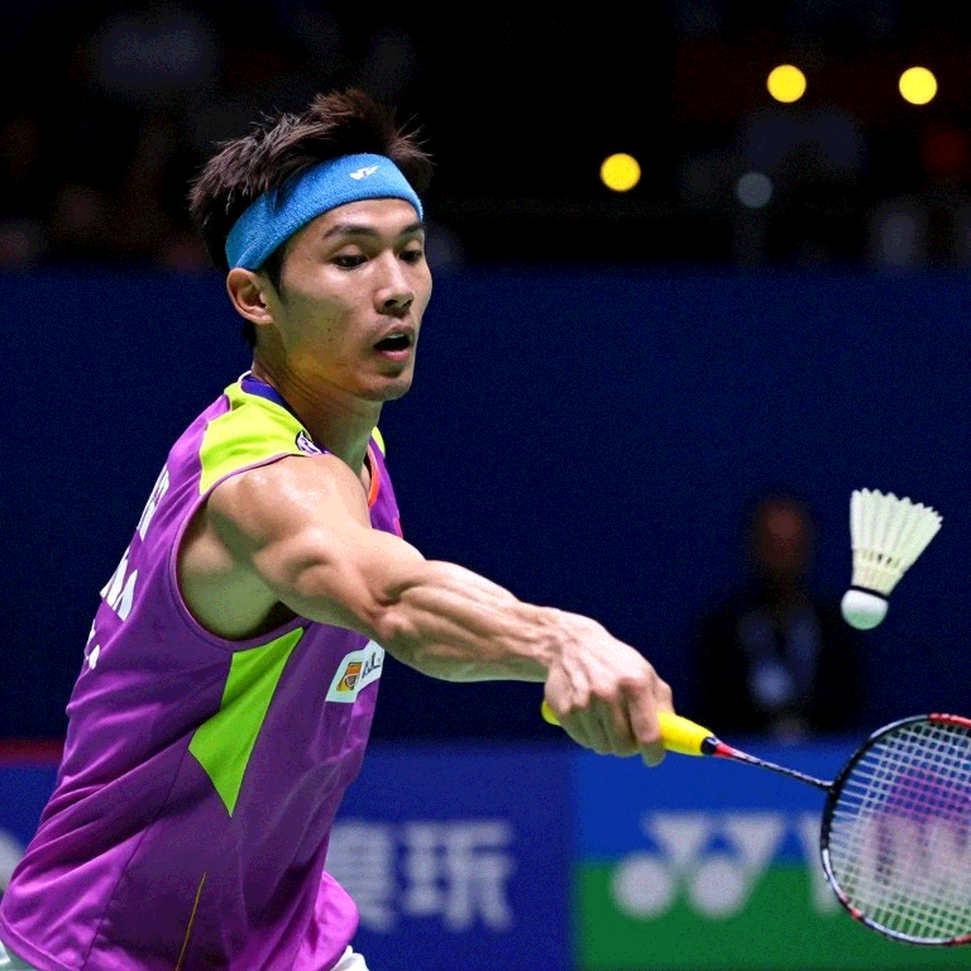
In my tracking log, Aidil Sholeh's name entered the "champion" column for the first time — but not out of nowhere. Two previous finals, at the Indonesia Masters II 2026 and the Al Ain Masters 2026, had already traced the curve. A player who reaches three finals in three years is not a one-off phenomenon. That is an ascending trajectory, and the trophy in Vietnam is merely the closing point of a line drawn well in advance.
The Vietnam Open sits at the Super 100 tier, the lowest rung of the BWF World Tour. The champion's cheque is USD 9,000. For an independent shuttler — one outside the Malaysian national-team payroll — that sum does not cover a season, but the ranking points carry real value. The event falls in the late-season window, when top-tier players schedule around bigger arenas. The result is a thin draw, one whose top seed stands only 33rd in the world.
The result needs to be placed in its proper historical frame. Aidil is only the second Malaysian man to win the Vietnam Open singles title, after Roslin Hashim in 2026. At the same time, this is Malaysia's first men's singles World Tour title in two years and three months, since Lee Zii Jia's Australian Open 2026 triumph. Those two dates tell us more than the final itself.
Back to the two games. A 21-16, 21-14 result says three things, at the level of scoreline inference. First, Aidil did not endure a three-game physical battle. Second, the wider margin in the second game than the first points to a player who solves his opponent progressively within the match — the in-match adjustment type. Third, closing out both games from a leading position speaks to error management at the closing stage, rather than to absolute power.
I have to be explicit about the limits of these inferences. There is no data on smash speed, rally length, unforced-error rate, or a description of how Aidil actually plays. He cannot be classified as an attacker, a controller, or a counter-puncher. At the current level of public data, the scoreline is the only tactical signal available, and it is sufficient only to discuss match management, not technical class.
This is where I have to keep myself disciplined. After every shock result, professional instinct pushes me to build a complete tactical model, heat maps and shot charts included. But building a model on two games with no rally-level data is self-deception. Wait at least three more tournaments before drawing a single line.
What can be read with more confidence sits in the head-to-head record. Aidil now leads Jason Teh 2-0. A two-match sample cannot establish a durable counter-dynamic, but it is enough to eliminate the "lucky win" hypothesis. The Singaporean entered as top seed, ranked 33rd in the world, and left after two straight games.
The title in Ho Chi Minh City measures Aidil Sholeh's current ceiling; it does not measure a shift in class. The difference between those two measurements lies in the tier: a Super 100 title yields modest ranking points and is almost certainly insufficient to change his seed bracket at Super 300 or Super 500 events. What it does is unlock main-draw entry at higher tiers — and that is the real prize.
The counter-intuitive angle sits with Malaysia, not with Aidil. At this very tournament, Lee Zii Jia — the country's number one — lost in the second round to Zhe Ying Wu of Chinese Taipei. Aidil became the man carrying a nation's expectations. Place the two events side by side and the picture is far clearer than a single trophy suggests.
Malaysia's previous men's singles World Tour title was the Australian Open 2026, a Super 500 event. Today's title is a Super 100. The ceiling of Malaysian men's singles has dropped one tier. That is a decline marker, not a recovery marker. A golden trophy cannot rescue a system that has lost its tactical roots.
There is a structural detail here worth noting. Aidil competes as an independent shuttler, outside the association's centralised structure. This result raises a question about the development model: if a player who self-manages, self-funds his team and self-schedules his calendar can reach a trophy ahead of the formal system, then selection criteria and resource allocation deserve scrutiny. The story does not stop at one individual.
Malaysia did not manufacture a miracle in Ho Chi Minh City. They patiently untied one knot at a time: three finals, one trophy, one player on his own path. Every number on court is a confession from an entire system.
Three signals to track over the next six to twelve months: Aidil's results at Super 300 and Super 500 level; Lee Zii Jia's form; and how often independent shuttlers are named to national team events. If all three move together, we are watching a restructuring. If only one moves, we are watching a lone trophy.