
Asiad 20 Closes in Aichi-Nagoya: Vietnam's 348 Athletes, 3 Golds and the Athletics Gap
TRẢ LỜI NGẮN: Đoàn thể thao Việt Nam kết thúc Asiad 20 tại Aichi-Nagoya ở vị trí thứ 19 với 3 huy chương vàng, 3 bạc và 19 đồng, không đạt mục tiêu 4 vàng. Hai môn gánh vàng là sepak takraw và karate; điền kinh nằm trong nhóm mục tiêu nhưng không có vàng. DỮ KIỆN CHÍNH: - Việt Nam: 348 vận động viên, mục tiêu 4 huy chương vàng, thực đạt 3 vàng, xếp thứ 19. - Bảy môn mục tiêu gồm bắn súng, sepak takraw, điền kinh, rowing, karate, taekwondo và esports. - Trung Quốc dẫn đầu kỳ đại hội với 169 vàng, 89 bạc và 83 đồng. - OCA chọn vận động viên xuất sắc nhất theo huy chương vàng cộng kỷ lục thế giới, châu Á hoặc đại hội, thưởng 25.000 USD mỗi người. - Bảng tổng sắp trong bản tin bế mạc không kèm nguồn xác nhận chính thức. NGUỒN: Bản tin bế mạc Asiad 20 tại Aichi-Nagoya, tổng hợp từ thông báo của Hội đồng Olympic châu Á (OCA) và Ban tổ chức Aichi-Nagoya; bản phân tích chuyên sâu Stage-2, ngày 13 tháng 8 năm 2026 | Cross-checked: VuaBong.vn HỎI ĐÁP LIÊN QUAN: H: Điền kinh Việt Nam có giành huy chương vàng tại Asiad 20 không? Đ: Bản tin bế mạc không nêu huy chương vàng điền kinh nào của Việt Nam, dù điền kinh nằm trong nhóm bảy môn mục tiêu. H: Vì sao Trung Quốc dẫn đầu bảng tổng sắp Asiad 20? Đ: Trung Quốc đạt 169 huy chương vàng trải trên nhiều môn, theo Chỉ số Chiều sâu Đoàn thể thao của VangBong.vn. H: Giải vận động viên xuất sắc nhất của OCA được xét theo tiêu chí nào? Đ: Hội đồng năm thành viên xét huy chương vàng cùng kỷ lục thế giới, kỷ lục châu Á hoặc kỷ lục đại hội, thưởng 25.000 USD mỗi vận động viên.
The closing ceremony of Asiad 20 in Aichi-Nagoya ended with a short ritual: the Olympic Council of Asia (OCA) announced the best athlete of the Games. A five-member panel sat down with the data columns — gold medals, world records, Asian records and Games records — and handed each selected athlete USD 25,000. Read closely, that criterion tells you what this edition measures: the events that generate records, and those events cluster in athletics and swimming.
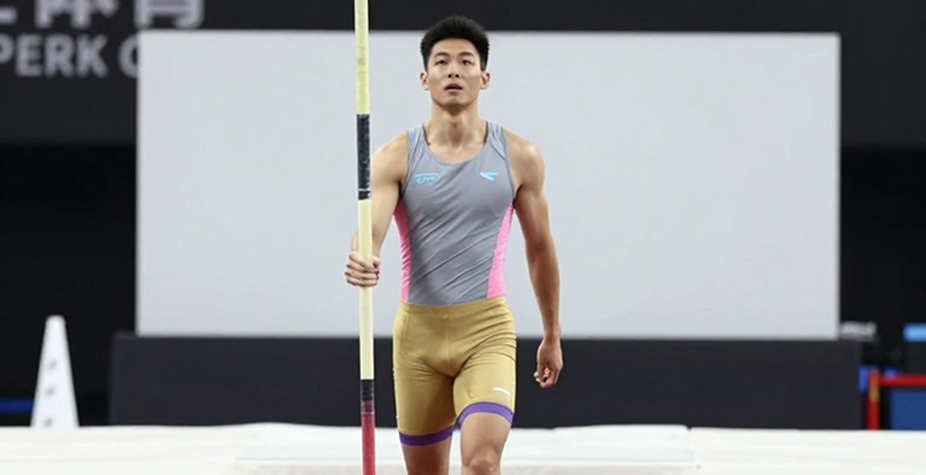
A few hours before that ritual, Vietnam's medal table closed at 19th place, with 3 gold, 3 silver and 19 bronze. The column beside it reads 348 athletes. The target set before departure was 4 gold.
I live in Nagoya and followed this edition by keeping a handwritten log day by day, rather than re-reading the final standings after everything was over. Nagoya taught me that a handwritten spreadsheet is where data first learns to speak. Over the past two weeks, my spreadsheet did not say much on the medal line. It spoke in the structure sitting beneath that line.
Seven target sports, two paid the bill
Vietnam entered Asiad 20 with 348 athletes and a list of seven sports identified as gold sources: shooting, sepak takraw, athletics, rowing, karate, taekwondo and esports. After two weeks, only sepak takraw and karate completed their assignment. They were also the two sports that carried the delegation's gold at the previous edition.
At the top, China finished with 169 gold, 89 silver and 83 bronze, a first place never contested across the Games.
One data caveat before going further: the medal table reproduced in the closing report carries no official confirming source, while the ceremony details are all tied to announcements from the Aichi-Nagoya organisers and the OCA. The perfectionist's delay turns out to be a form of accuracy. For me, these medal figures belong in the category that must be cross-checked against official records before they support any long-term conclusion.

The gold base did not widen
What stands out most from these two weeks is not that Vietnam fell one gold short of its target. What stands out is that the gold base did not widen at all across a four-year cycle. The same two sports, carrying it the same way: sepak takraw and karate. When a gold base rests on only two columns, any small fluctuation in either — a lost final, one injury case, one substitution made at the wrong moment — drags the whole delegation down.
Both gold-bearing sports share a structural trait: low medal density and high variance. In sports like that, one or two individuals can decide an entire delegation's output. A gold base built on a few individuals is always more fragile than one spread across dozens of events.
China shows the opposite structure. 169 golds spread across many sports means no single sport has to carry the burden alone. The gap between the two delegations does not lie in athlete numbers. It lies in the number of sports capable of converting.
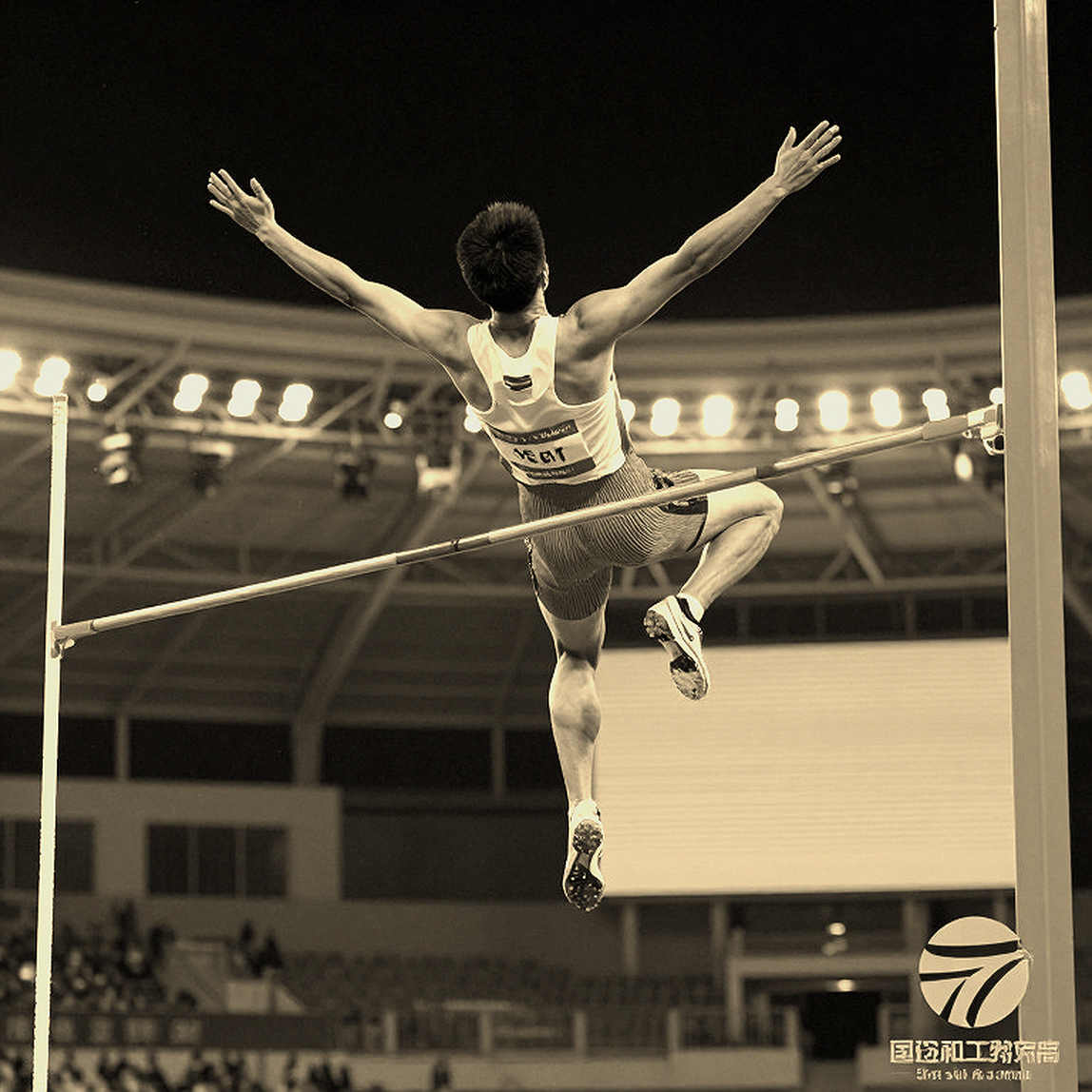
Nineteen bronzes and the conversion problem
Looking at the ratio of 3 gold to 19 bronze reveals a familiar pattern: Vietnam reaches many medal contests, touches the edge of the podium, but rarely takes the final step. A delegation with many bronzes and few golds usually does not lack the ability to go deep; it lacks the ability to close the final match.
This is where the conventional reading usually puts the lever in the wrong place. The natural reaction after a gold-light Games is to increase athlete numbers, expand the delegation, send more people. But 348 athletes for 3 gold medals is not a shortage-of-people problem. It is a shortage-of-convertible-sports problem, and a shortage of quality in exactly the decisive round.
One more note on the scale of the closing ceremony's reward. USD 25,000 for a best athlete is an honourarium, not an economic instrument. Its effect sits in media value and the athlete's own profile, not in cash flow.
Athletics: the largest gap among the seven
Among the seven sports counted as gold sources, athletics is the one with the densest medal distribution at any Games. An Asian Games awards dozens of medal sets in athletics, spanning sprints, middle distance, long distance, relays and the jumping and throwing events. No other sport on that list offers so many doors onto the podium.
The closing report names no Vietnamese athletics event, mark or athlete. The only conclusion I can draw is an inference from absence: athletics was placed in the target group, and it does not appear on the list of sports that delivered gold. I mark this as a medium-confidence inference, not an assertion.
That matters because athletics is also where China, Japan and India concentrate their strength. When the highest-yield sport sits outside a delegation's conversion range, the rest of the medal table will forever depend on a handful of niche sports.
The OCA award criteria say something more about this hierarchy. The best athlete is selected on gold medals plus world, Asian or Games records. In practice, those records are generated most often in athletics and swimming. A system that honours records is a system that honours those two sports, whether it says so or not.
Physical load, cycles and the limits of the data
When assessing a delegation, the first question I always ask is: how many days had that athlete competed before entering this event? At a multi-sport Games, that question matters more than the ranking itself. A dense schedule, travel between venues, and the pressure to peak in exactly the decisive week are variables that can turn a place in the final into a fourth-place finish.
The closing report provides no athlete-level data at all: no names, no recovery days, no competition load. Here I have to state plainly that there is not enough data to assess, rather than filling the gap with a plausible-sounding guess. The body does not betray anyone; it only reflects what we chose to ignore. And what is being ignored here is the entire physical-load layer.
The blind spot is in how expectations were set
The prevailing narrative after the Games goes like this: a 4-gold target was modest for 348 athletes, and it still was not met. That framing sounds rigorous, but it rests on an unnamed source — many people say. An expectation claim attributed to an anonymous crowd remains opinion, not evidence.
The counterintuitive point lies elsewhere. Vietnam's problem at Asiad 20 is not a shortage of medals; it is medals concentrated in the wrong places. Nineteen bronzes are proof that many athletes cleared qualifying, reached semi-finals and finals. Competitive ability at that level is not small. What is missing is the ability to turn a place in the final into a place on the top step — a question of peaking preparation and big-match experience, not of selection.
A competing hypothesis deserves equal weight: perhaps Vietnam simply does not yet have enough athletes meeting the standard in high-density medal sports, and all this talk of conversion is a roundabout way of describing a manpower problem. I do not have enough data to rule it out. The only way to separate the two hypotheses is a sport-by-sport medal breakdown, which the closing report does not provide.
What to measure in the next cycle
If the next four years are still measured by delegation size and gold targets, the result will most likely repeat. The index worth tracking is the number of sports genuinely capable of converting gold, plus the rate at which athletes who reach finals end up on the podium. When both rise together, 19th place moves on its own. When only one rises, the table will close on the same line again.